
For cricket fans, it looks like the long stretch of uncertainty may finally be ending.
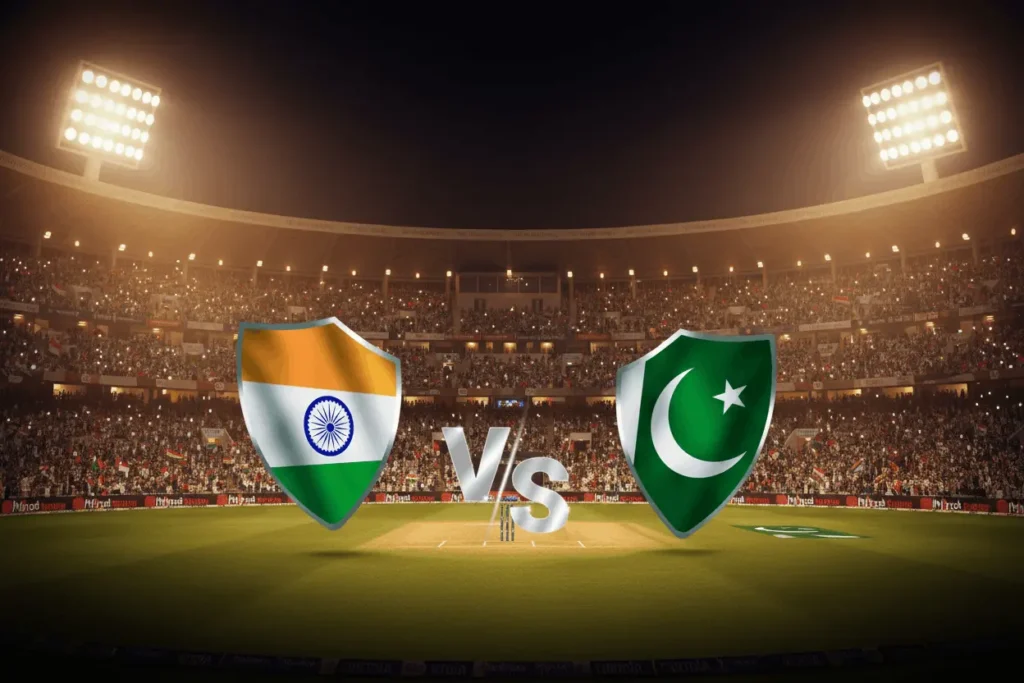
The possibility of seeing India and Pakistan clash in the upcoming ICC Men’s T20 World Cup has grown stronger after an intense 24 hours of back-to-back negotiations, warnings, political pressure, and behind-the-scenes drama.
From sudden movements at Gaddafi Stadium to high-level discussions involving ICC delegates, Pakistan’s cricket future was hanging in the balance.
A Never-Seen-Before Scenario in World Cup History
According to reports, ICC officials clearly communicated to the Pakistan Cricket Board the repercussions of withdrawing from the India match.
What followed was a series of counter-demands from Pakistan — some reasonable, some unprecedented.

The big question now:
Will Pakistan captain Salman Ali Agha walk out for the toss this Sunday at R. Premadasa Stadium?
Or will political heat overshadow cricket again?
Heated Voices From Within Pakistan Cricket
Former Pakistan captain Inzamam-ul-Haq openly criticized PCB’s inconsistent stance, saying Mohsin Naqvi had taken a “U-turn driven by financial greed,” further fueling internal friction.
Rumors have long suggested a split inside the PCB — one side preferring compromise with the ICC, and the other demanding aggressive bargaining.
Pakistan’s Demands to the ICC
During a marathon 5-hour meeting, the PCB reportedly placed several key demands:
🔹 1. Higher Share in ICC Revenue
Pakistan currently receives approx. $34.55 million annually — far behind India, England, and Australia.
🔹 2. Resumption of India–Pakistan Bilateral Series
A politically sensitive demand — and one over which even BCCI has no sole authority.
Any such decision would require Government of India approval.
🔹 3. Compensation for Missing the T20 World Cup
Since Pakistan failed to qualify, they want:

- Increased compensation from Bangladesh
- Participation fees for each World Cup match
- Hosting rights for future ICC events
Though ambitious, ICC may consider a few points — especially financial revisions.
Why ICC Desperately Needs the Match to Happen
The India–Pakistan encounter isn’t just a cricket match — it’s the biggest revenue generator in global cricket.
If the match is cancelled:
- ICC could lose ₹200+ crore in a single stroke
- Broadcasters may seek compensation
- Sponsor deals would weaken
- Viewership numbers would crash
In short: The India–Pakistan match keeps the ICC’s financial engine running.
That’s why ICC sent representatives to Lahore immediately — a clear indication of how high the stakes are.
Reactions From the Cricketing World
West Indies star Jason Holder criticized how political tensions were overshadowing cricket, calling it “unhealthy for the sport.”
Players from England and Australia echoed similar concerns, pointing out how politics continues to creep into cricketing decisions.
What Happens Next?
All eyes are now on the Pakistan Prime Minister’s meeting with PCB officials.
Only after this will Pakistan take a final call on whether they will play in the World Cup fixture.
But one thing is certain:
Whether Pakistan agrees or disagrees, the conversations, controversies, and diplomatic back-and-forth aren’t going away anytime soon.